
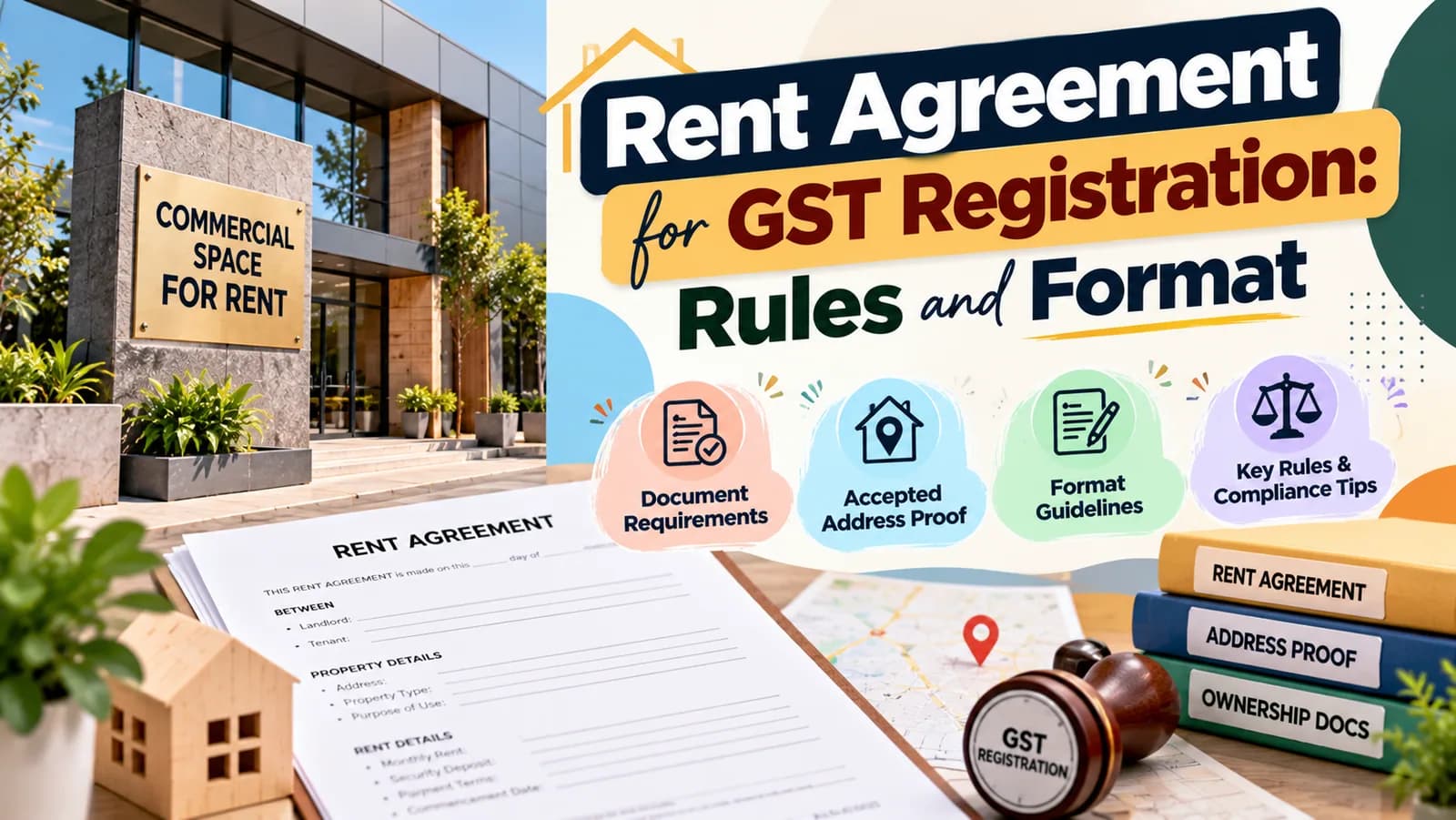
Rent Agreement for GST Registration
GST registration at rented premises needs the rent agreement and one ownership proof of the landlord. See what to include, how to upload it and the GST on rent.
Ankush Goyal6 min
GST touches almost every business decision — where you register, where you hold stock, how you invoice and what you can claim back. These articles cover what comes up in practice: when registration becomes mandatory, how returns fit together and what to do when a notice arrives. Many focus on place of business, where most registrations are delayed or rejected — the address on your certificate must match what an officer finds, and the rules differ for a principal address, an additional warehouse and a state with no premises.
71 published posts
GST registration at rented premises needs the rent agreement and one ownership proof of the landlord. See what to include, how to upload it and the GST on rent.

A late GST return costs a daily fee capped by turnover, and late tax costs 18% interest. See the caps, worked examples and what happens if you keep delaying.
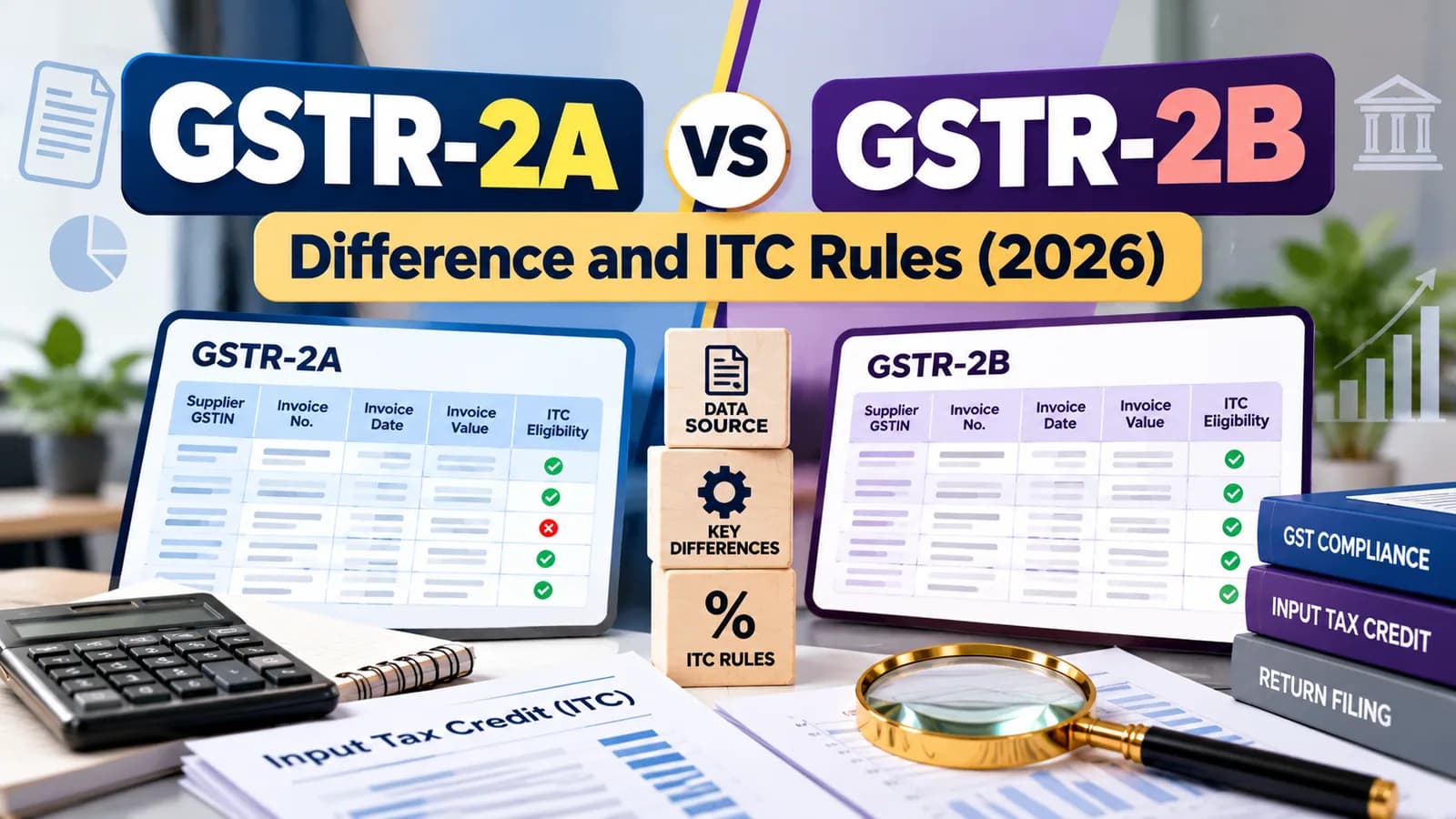
GSTR-2A updates as suppliers file; GSTR-2B is the fixed statement your GSTR-3B credit must match. See the differences, the IMS workflow and a monthly routine.

Adding a second GSTIN under the same PAN is faster since September 2026. When you need one, when an APOB is enough, and what still has to be filed fresh.

The 57th GST Council has recommended Rule 14B, letting small e-commerce sellers use a marketplace warehouse as PPOB. Who qualifies and when it applies.
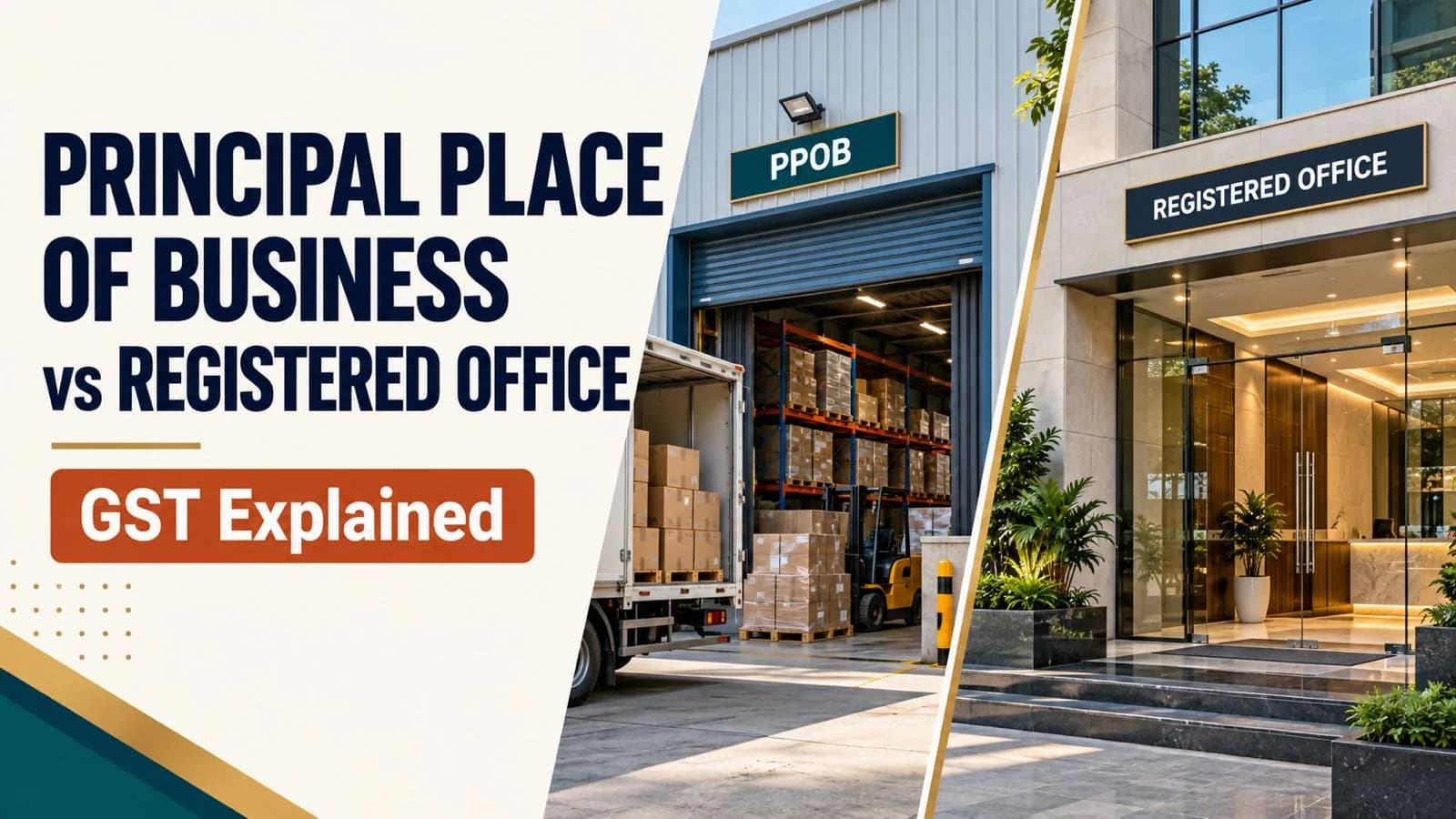
Your registered office under the Companies Act and your GST principal place of business are separate addresses. When to use one address, two, and what to file.
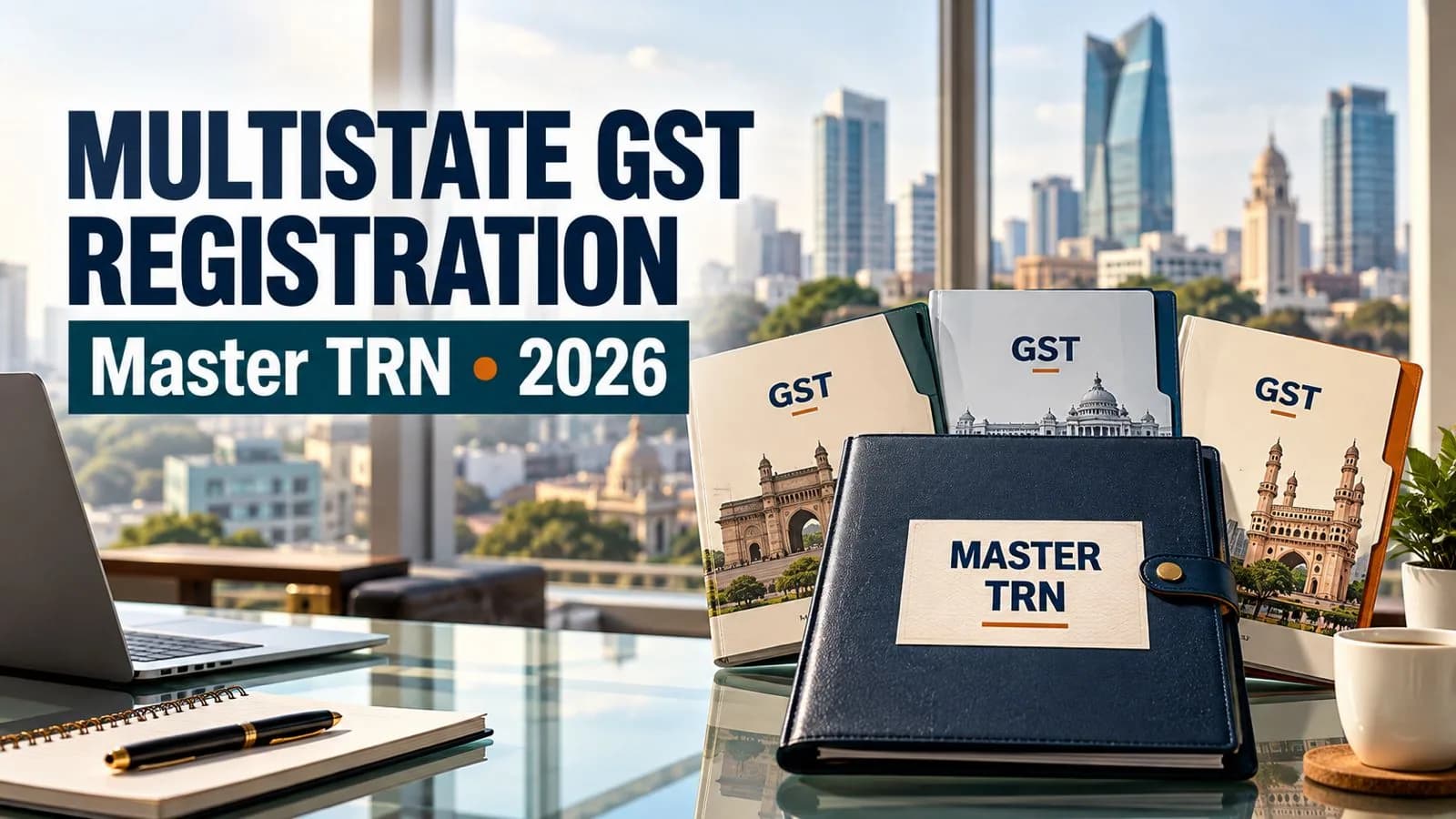
Apply for GST in several states at once with a Master TRN. How GSTN's new Multistate Registration works, the 15-day window, and what stays state-specific.

Which GST registration changes are core fields, how REG-14 approval works today, and what the 57th GST Council's auto-acceptance recommendation will change.

Exiting a marketplace state means closing that GSTIN in the right order: stock first, REG-16 next, GSTR-10 after, the virtual office last. Here is the sequence.
Two GSTINs at one address is allowed for different businesses, with conditions. The documents each needs, the same-PAN exception, and what an officer checks.
Most consultancy services attract 18% GST, as CGST and SGST or as IGST. See which codes apply, when the client pays under reverse charge, and the export rules.

Service exporters under LUT build up unused ITC that can be refunded. See the refund formula, a worked example, documents, time limits and refund timelines.
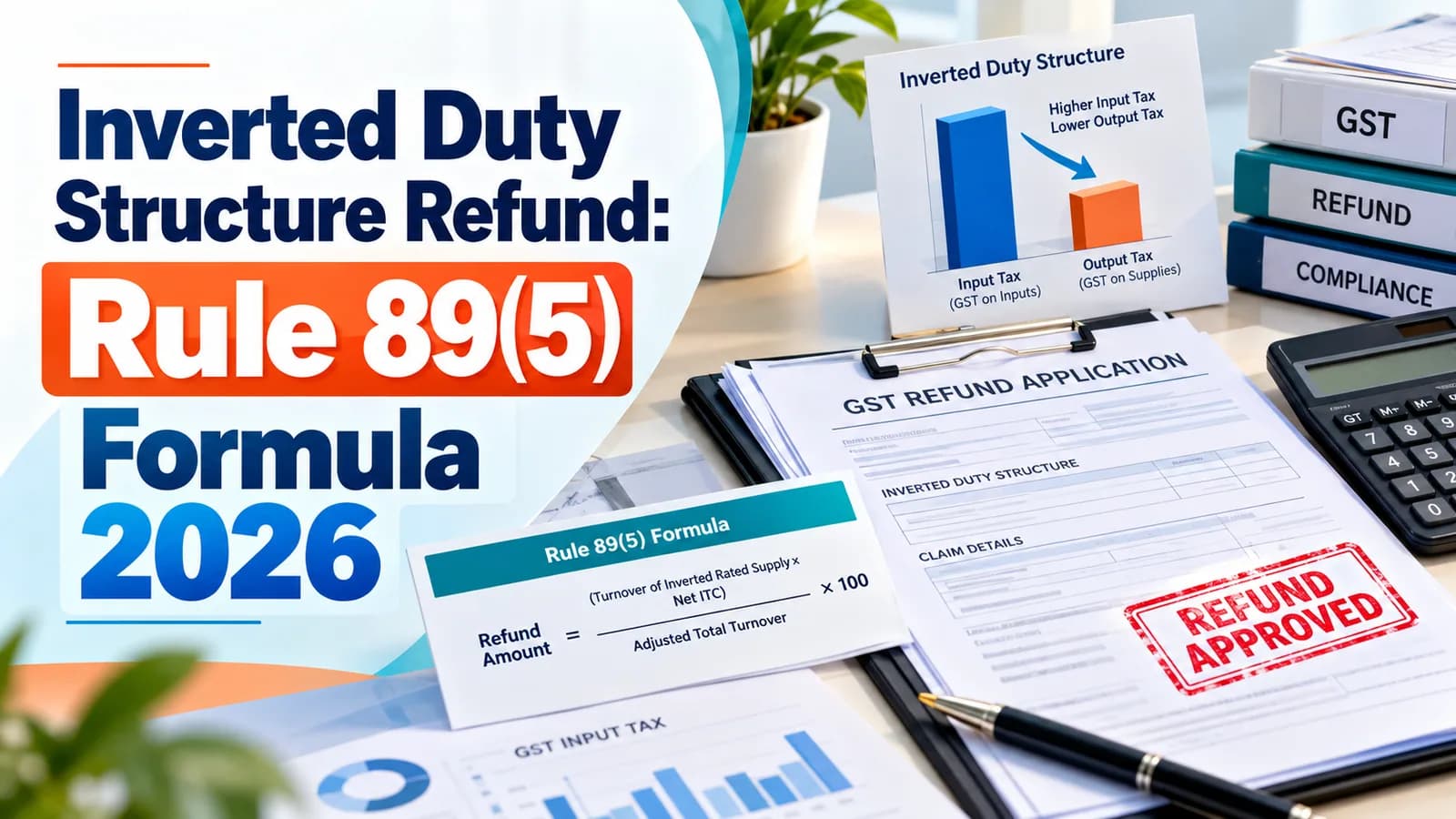
When inputs carry more GST than your output, credit piles up. See who can claim an inverted duty refund, how Rule 89(5) works, and how to file RFD-01.
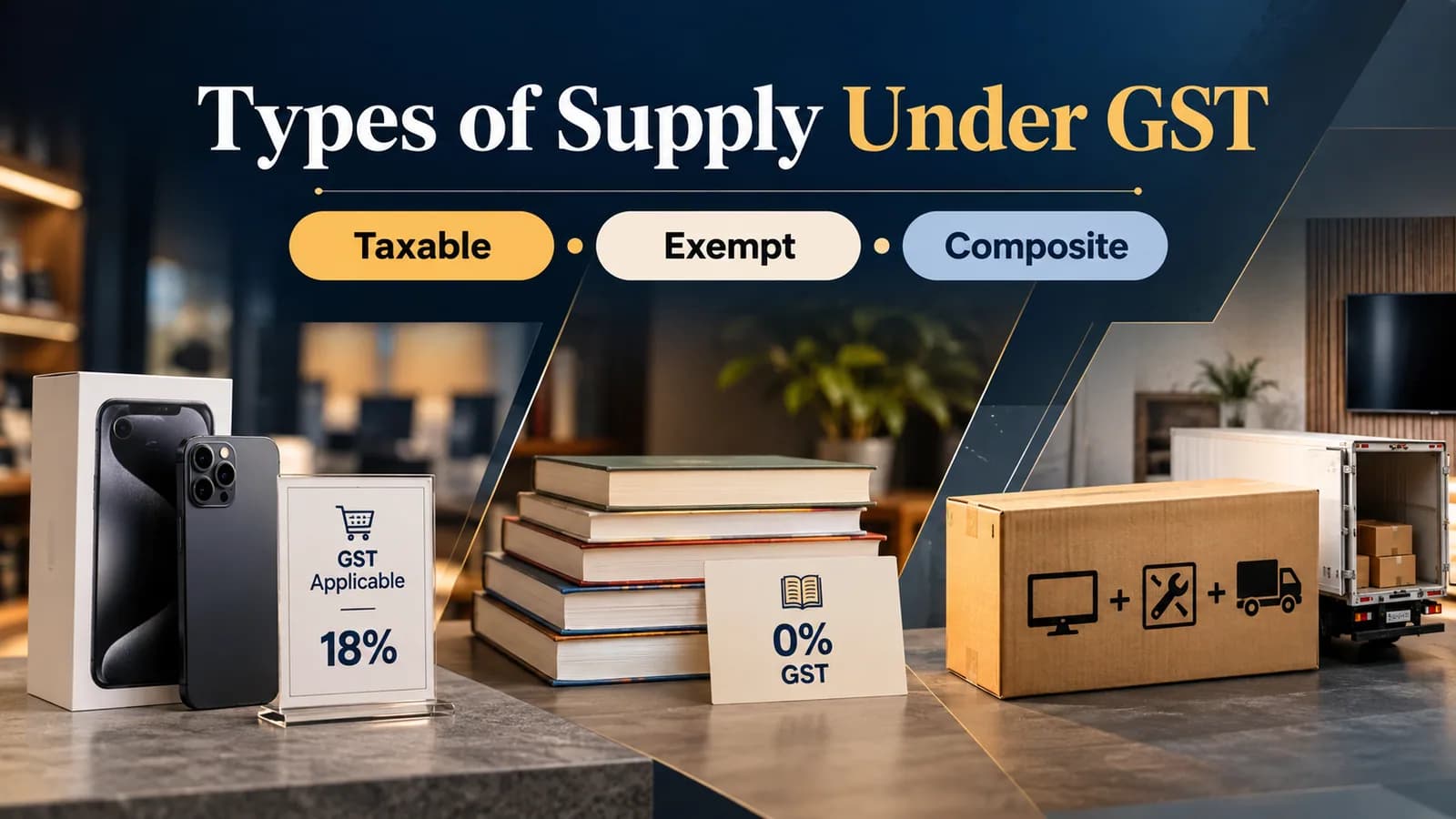
Every GST transaction is a type of supply that fixes the rate, tax head, credit and reporting. Here is each type of supply, with examples and GSTR-3B tables.
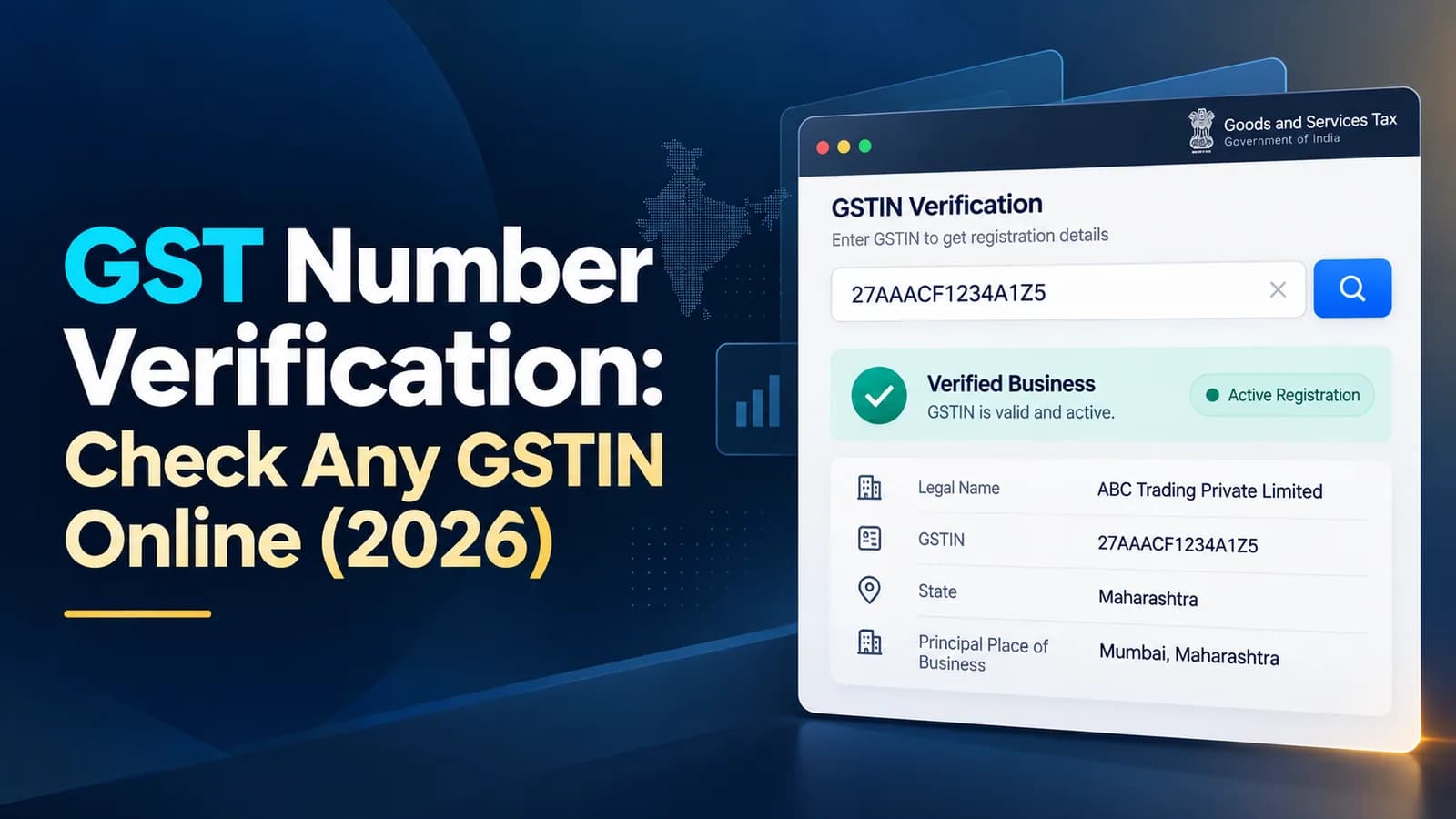
Verify any GST number free on the GST portal without logging in. See what to check in the result, how the 15-character GSTIN works, and the red flags to watch.
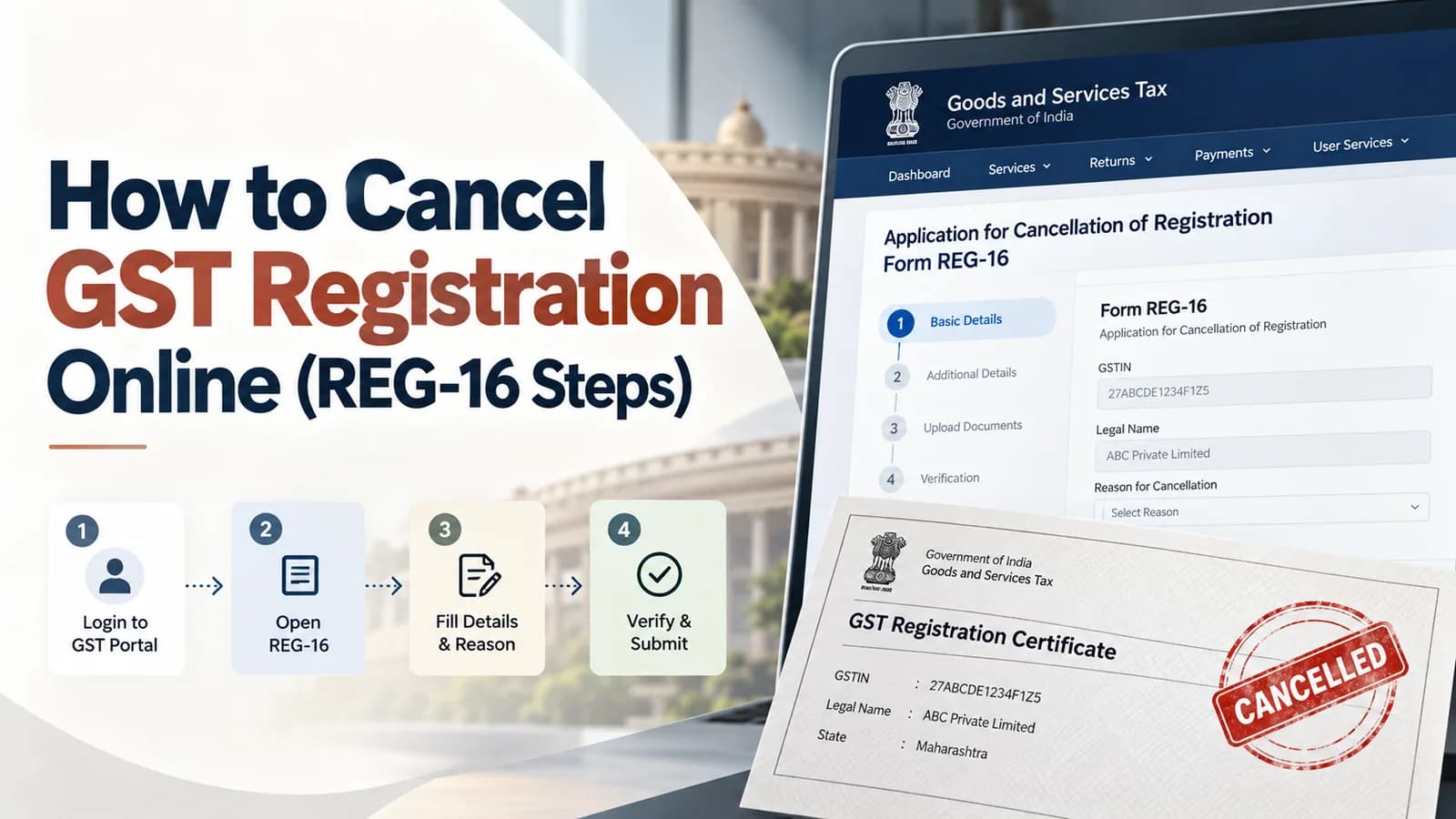
Closing a business or no longer liable for GST? Cancel the registration through REG-16, settle tax on closing stock, and file the GSTR-10 final return on time.
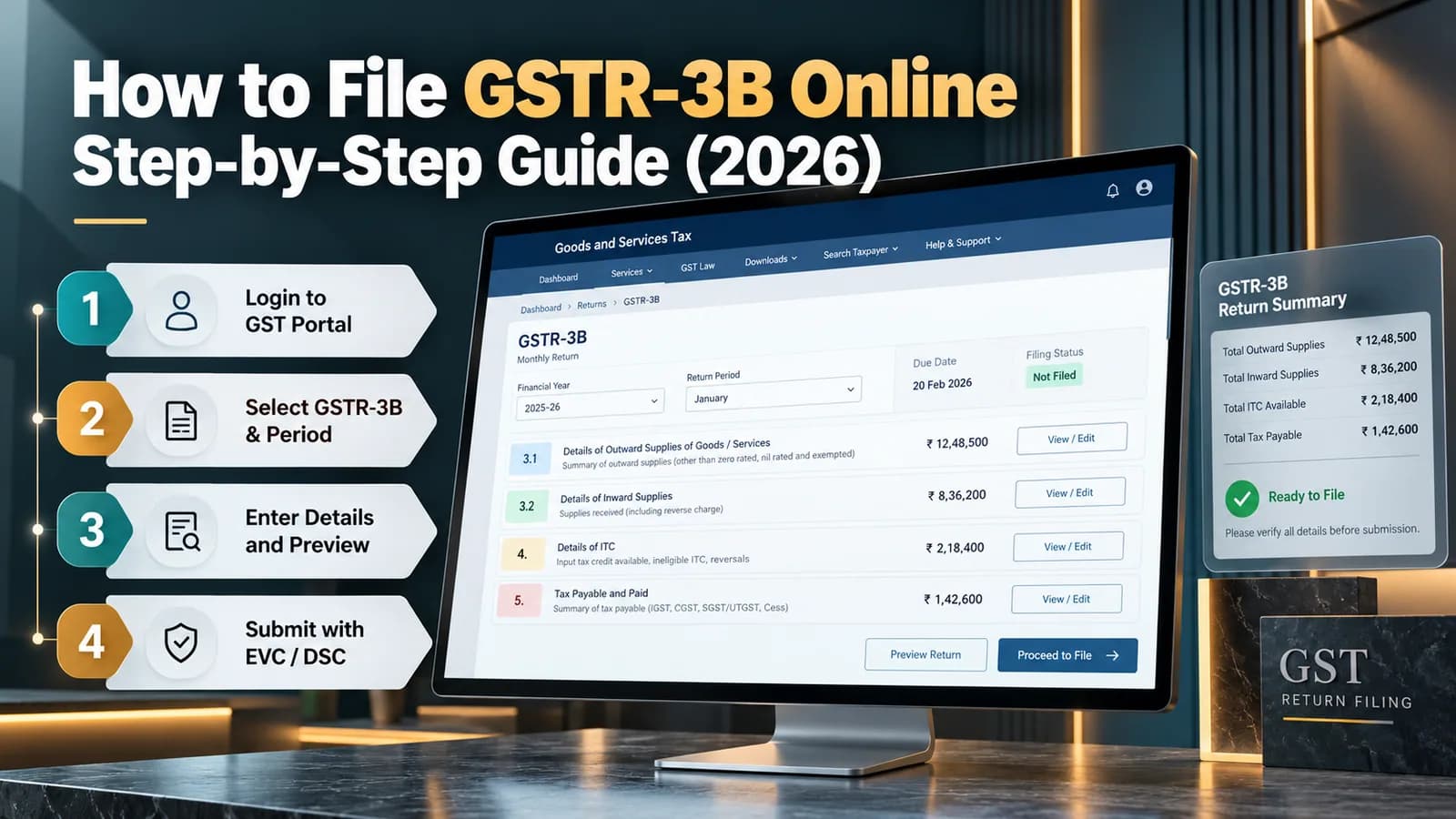
GSTR-3B is the return where you declare tax, claim credit and pay. Here is the filing process table by table, the 2025 portal changes and how to fix errors.
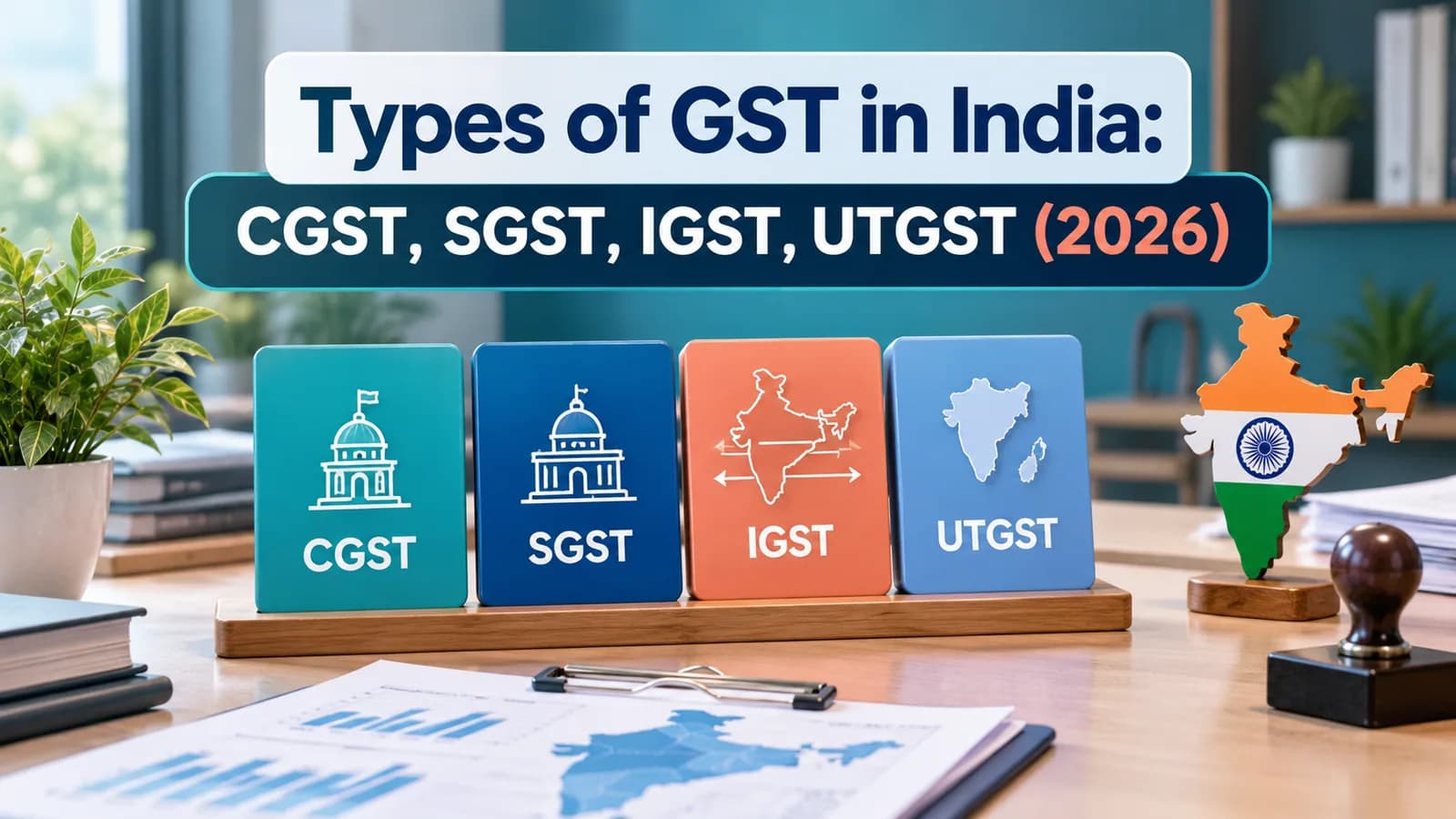
India has four types of GST: CGST, SGST, IGST and UTGST. Learn which one applies to a sale, how the 5%, 18% and 40% slabs work, and how credits are set off.
Monthly digest, written by CAs. Unsubscribe anytime.