

How to File GST Returns as an Ecommerce Seller in India
A step-by-step guide to GST return filing for ecommerce sellers in India, covering GSTR-1 Table 14, the GSTR-3B hard lock, TCS credit and multi-state GSTINs.
Ankush Goyal11 min
GST touches almost every business decision — where you register, where you hold stock, how you invoice and what you can claim back. These articles cover what comes up in practice: when registration becomes mandatory, how returns fit together and what to do when a notice arrives. Many focus on place of business, where most registrations are delayed or rejected — the address on your certificate must match what an officer finds, and the rules differ for a principal address, an additional warehouse and a state with no premises.
73 published posts
A step-by-step guide to GST return filing for ecommerce sellers in India, covering GSTR-1 Table 14, the GSTR-3B hard lock, TCS credit and multi-state GSTINs.

How ecommerce accounting works in India: booking gross sales instead of payouts, handling GST TCS and income-tax TDS, and the new Section 63 audit trap.

Every document the GST portal asks for in 2026, split by entity type, plus the address-proof and file-format rules that quietly cause most REG-01 rejections.

A consent letter connects you to premises you do not own. Here is the exact format, when notarisation matters, and why officers reject the ones they reject.
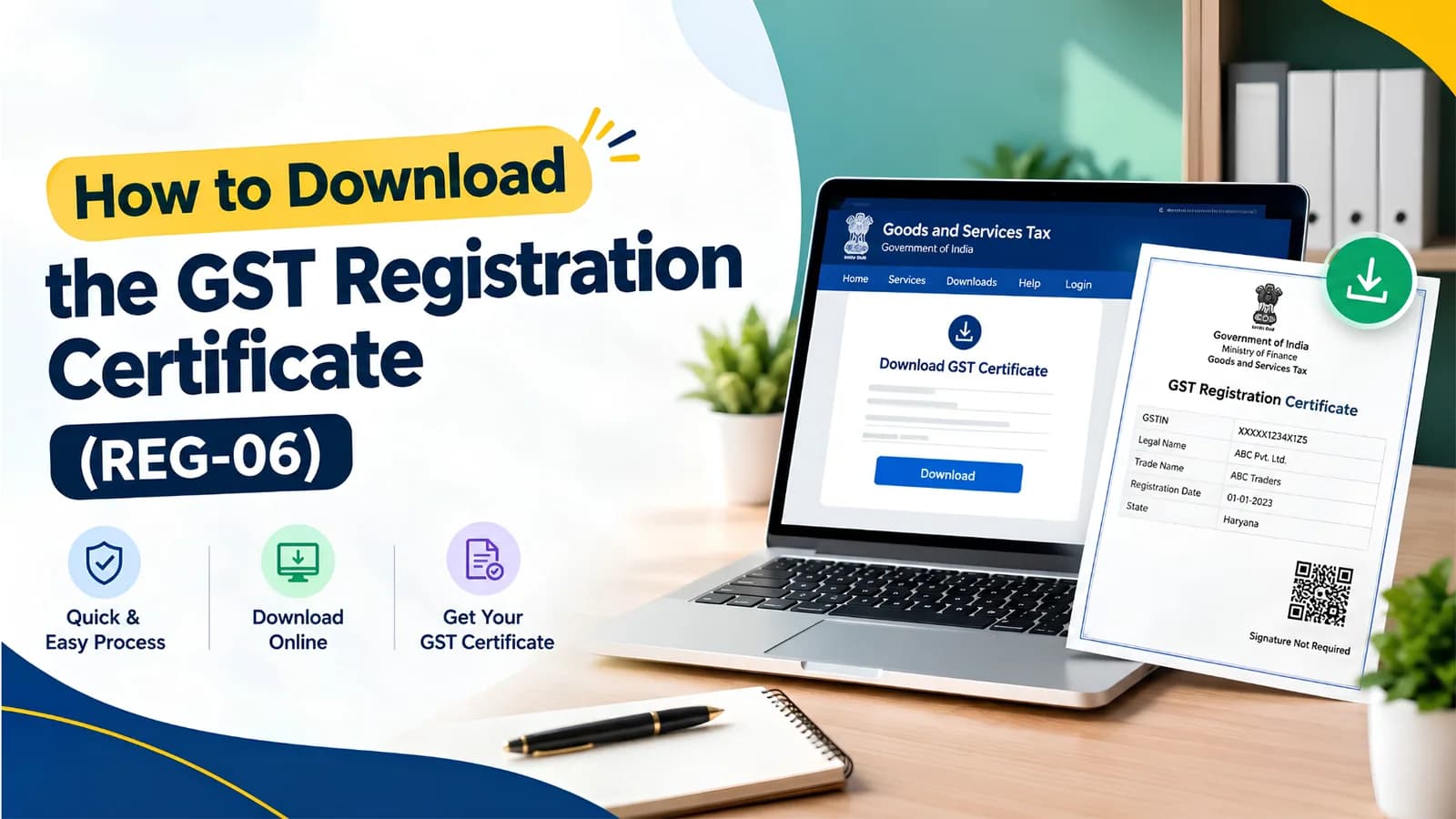
Four steps to download FORM GST REG-06, what each field on it means, and the display obligation under Rule 18 that most registered businesses quietly ignore.
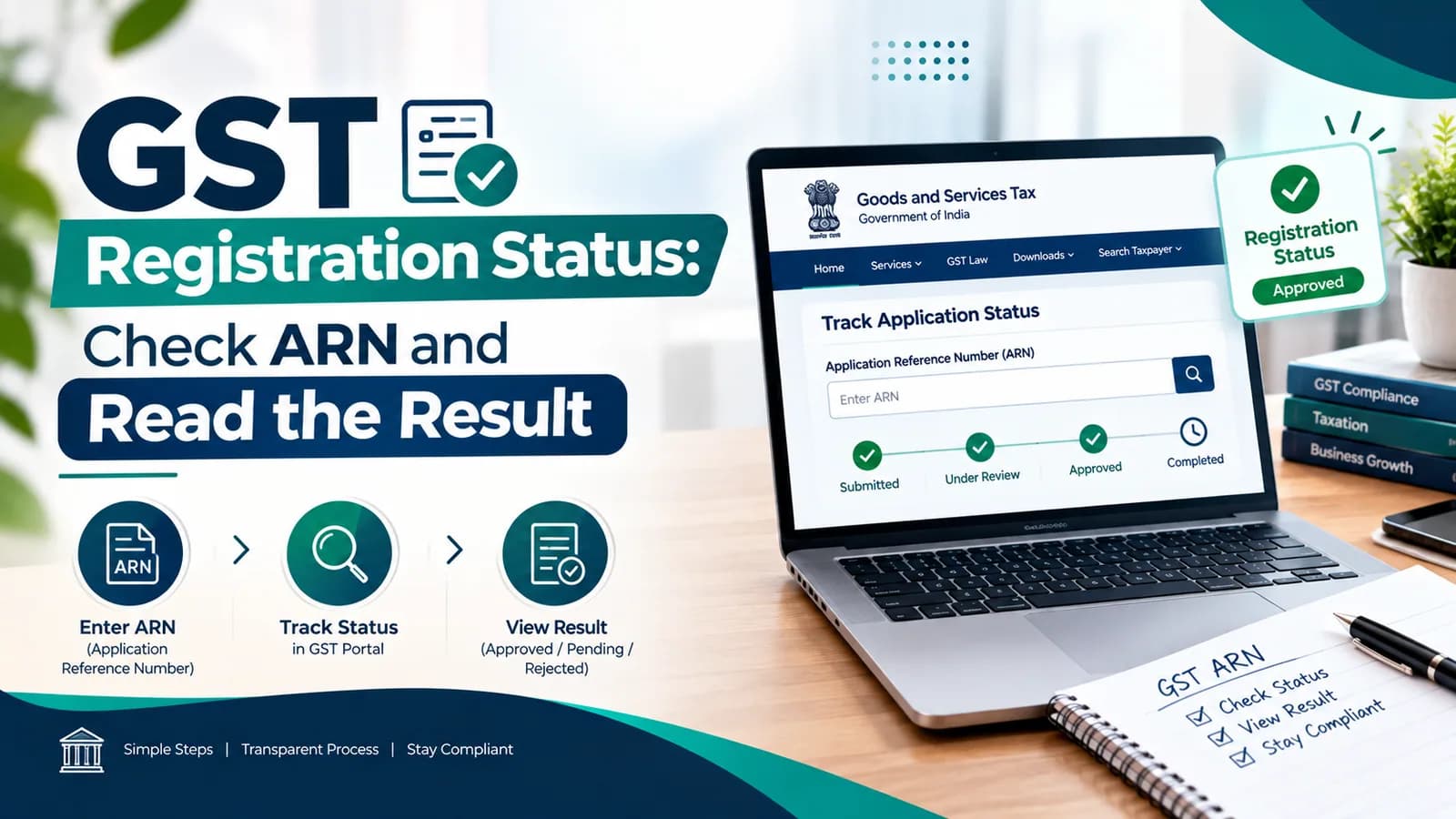
Checking your ARN is the easy part. This decodes every GST registration status the portal shows, how long each one lasts, and what action each stage needs.
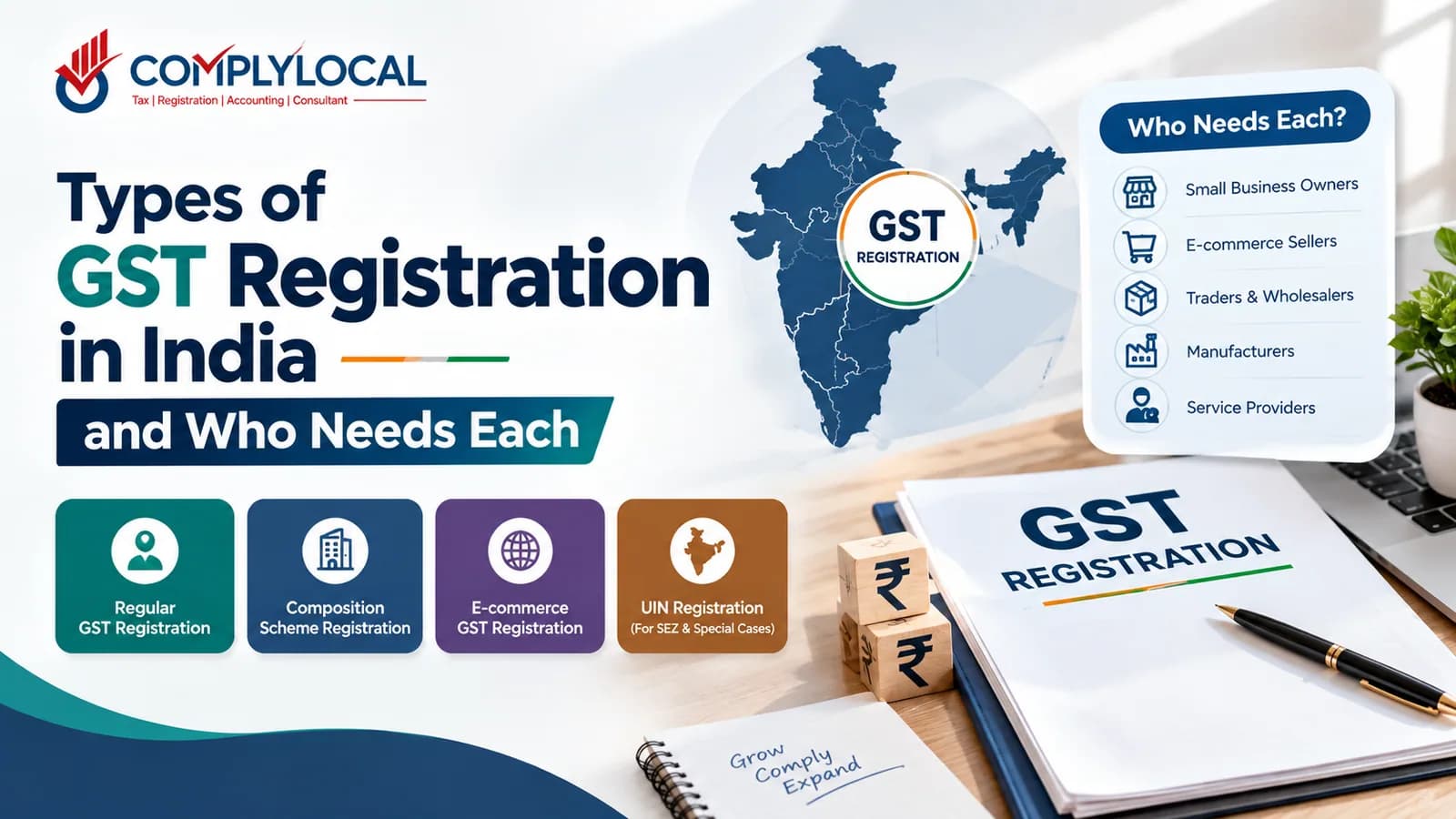
Regular, composition, casual, ISD, TDS, TCS, OIDAR and UIN registrations compared: the form each uses, who must take it, and how to pick the right one.
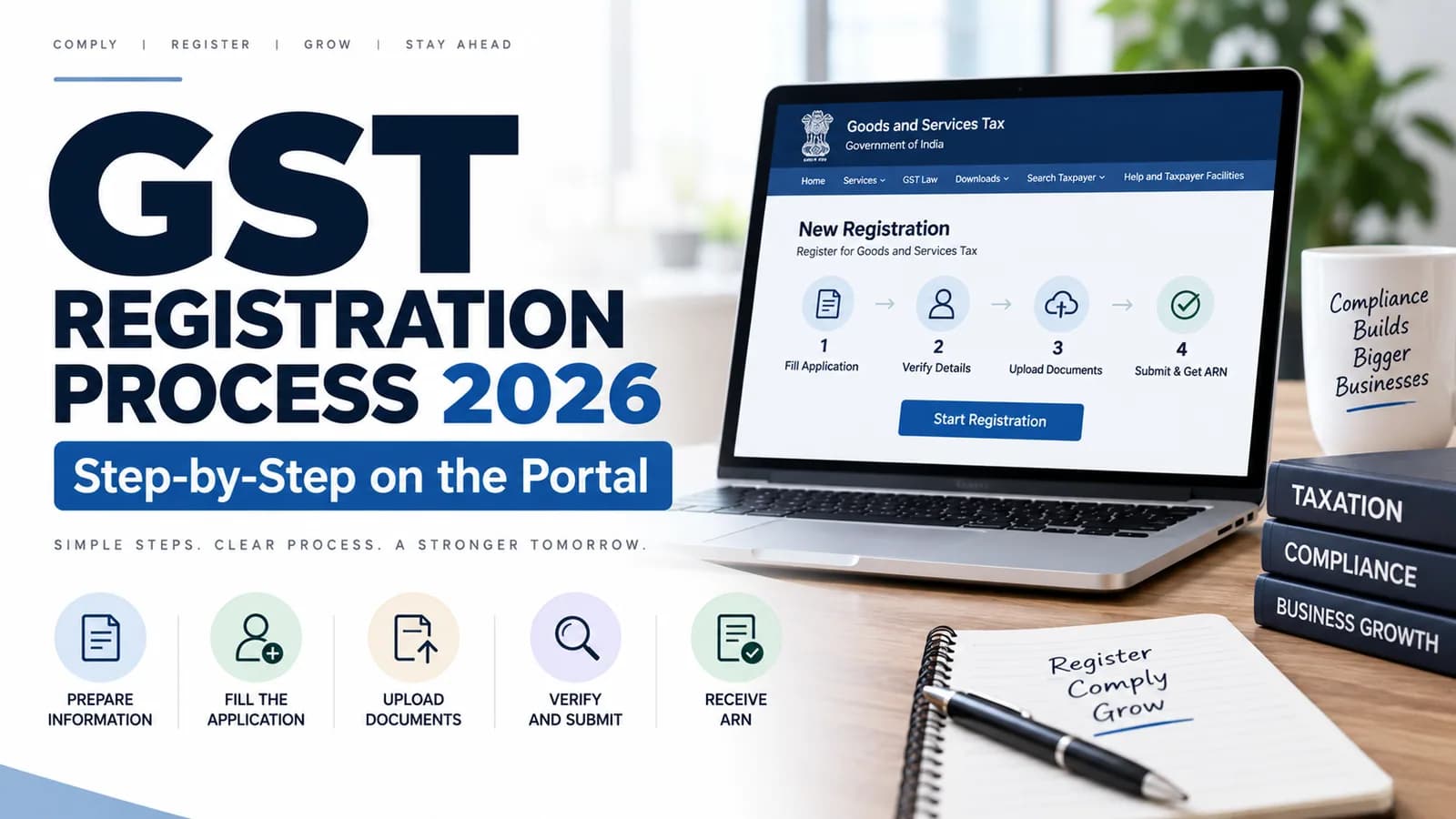
Every stage of the GST registration process in 2026, from Part A to the REG-06 certificate, with the timelines, the query stage, and what to do after approval.

The GST portal charges nothing for registration. This is what a GSTIN actually costs in 2026, where the money really goes, and the myths that keep circulating.

The 2026 GST registration limit, state by state, what counts as aggregate turnover, and the Section 24 categories that must register at zero rupees of turnover.
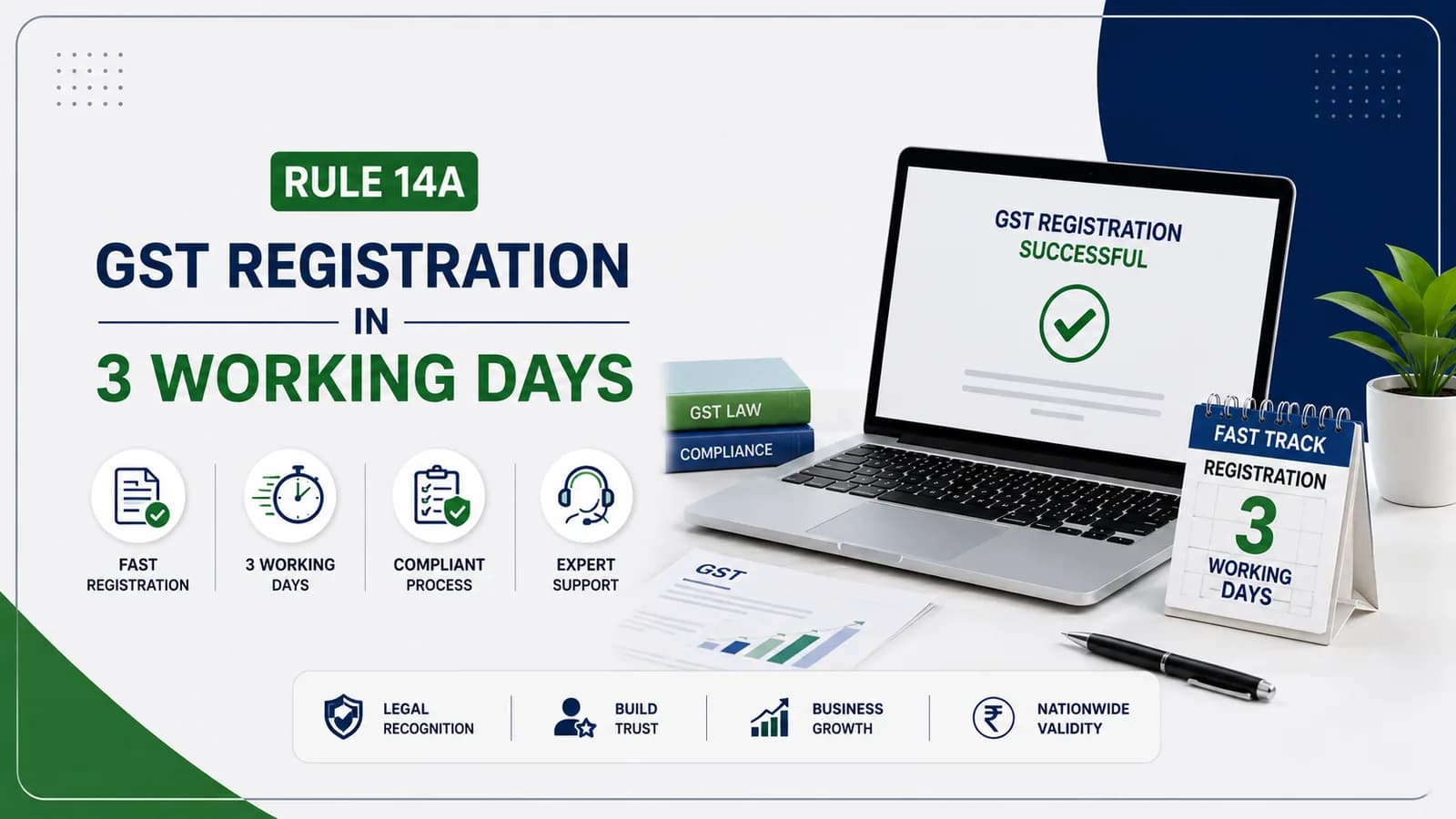
Rule 14A grants GST registration in three working days for small B2B suppliers. Who qualifies, how to opt in on REG-01, and why multi-state sellers should not.

What GST registration in Delhi actually requires in 2026: state code 07, the ₹40 lakh threshold trap, document limits and the four CGST Commissionerates.
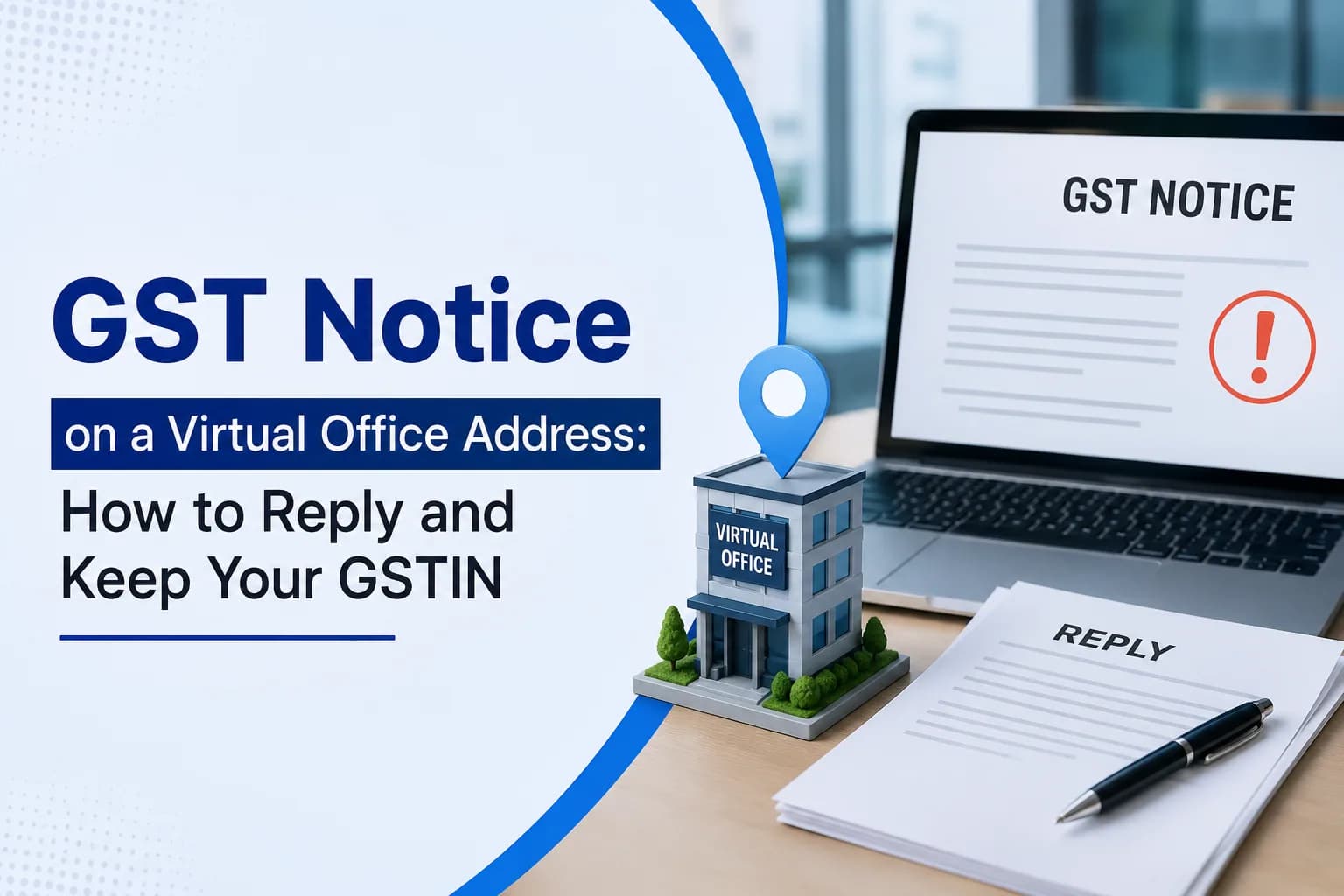
What to do when a notice lands on a virtual office GSTIN — reading the ground correctly, watching the reply clock, and the evidence that decides the outcome.

A Tamil Nadu specific guide to GST registration on a Chennai virtual office address, including the state's enforcement record on undeclared premises.
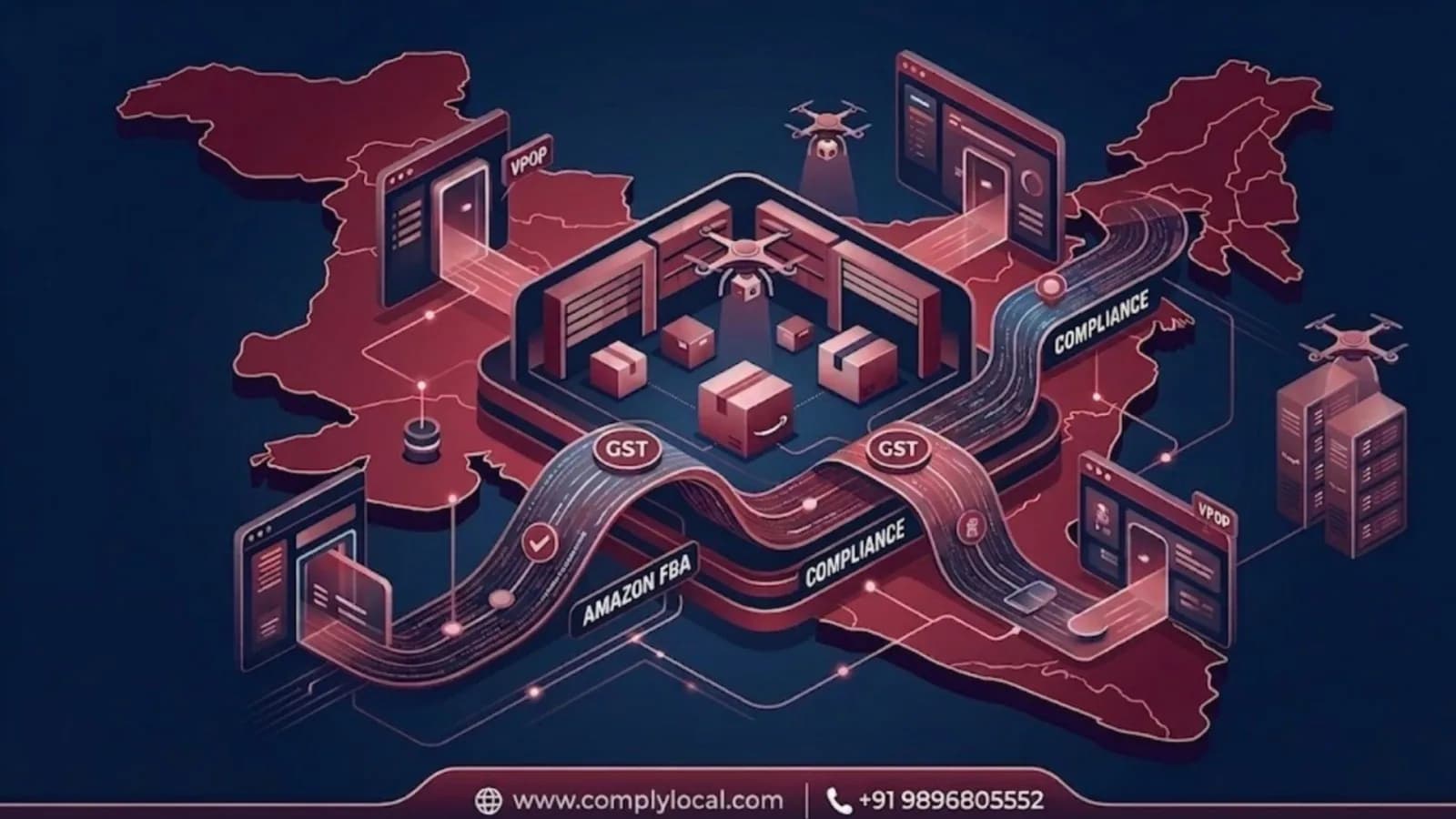
What an Amazon seller actually has to file to sell from a fulfilment centre in a new state — the GSTIN, the APOB amendment, and the order they must happen in.
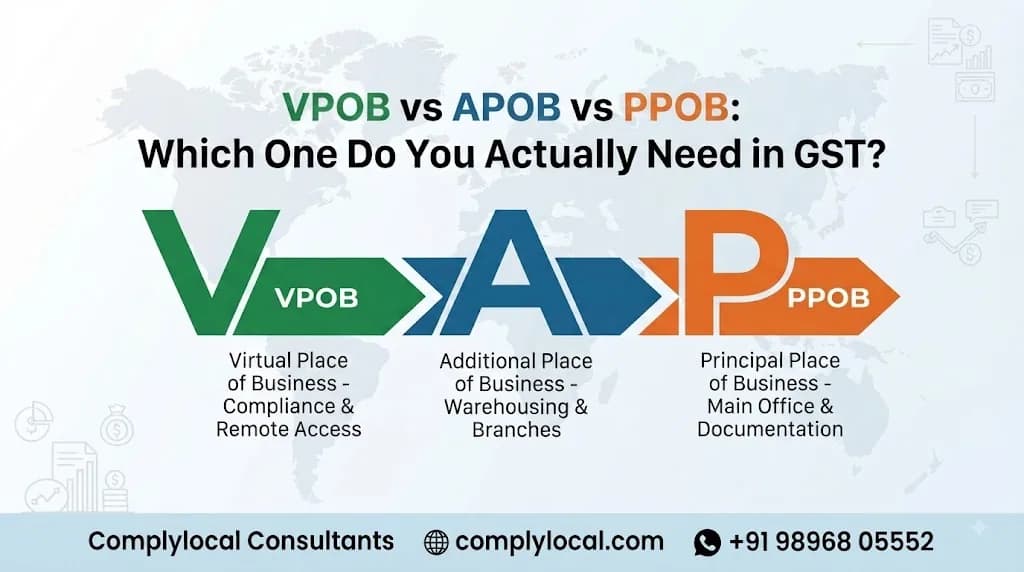
The three terms sellers mix up most, separated cleanly: what each one really is, which form declares it, and how to work out which of them you truly need.
A Karnataka-specific guide to GST registration on a Bengaluru virtual office address, covering biometric exposure, address density risk and the document set.
A Kerala-specific guide to registering GST on a virtual office address in Kochi, plus the state’s own AAR ruling on shared workspaces and biometric rules.
Monthly digest, written by CAs. Unsubscribe anytime.