

Temporary GST Registration for Exhibitions & Pop-Up Sales
Selling at an exhibition or pop-up in a state with no fixed place? You need casual taxable person registration before your first sale. Here is the timeline.
Ankush Goyal6 min
Author
Head of GST Department
Ankush Goyal is the Head of the GST Department at ComplyLocal Consultants, specializing in GST registration, amendments, return filing, notices, refunds, e-invoicing, e-way bills, and end-to-end GST compliance for businesses across India.
41 published posts
Selling at an exhibition or pop-up in a state with no fixed place? You need casual taxable person registration before your first sale. Here is the timeline.
Registering for GST below the threshold suits some businesses and costs others. Compare ITC, customer pricing and filing work with this worksheet first.
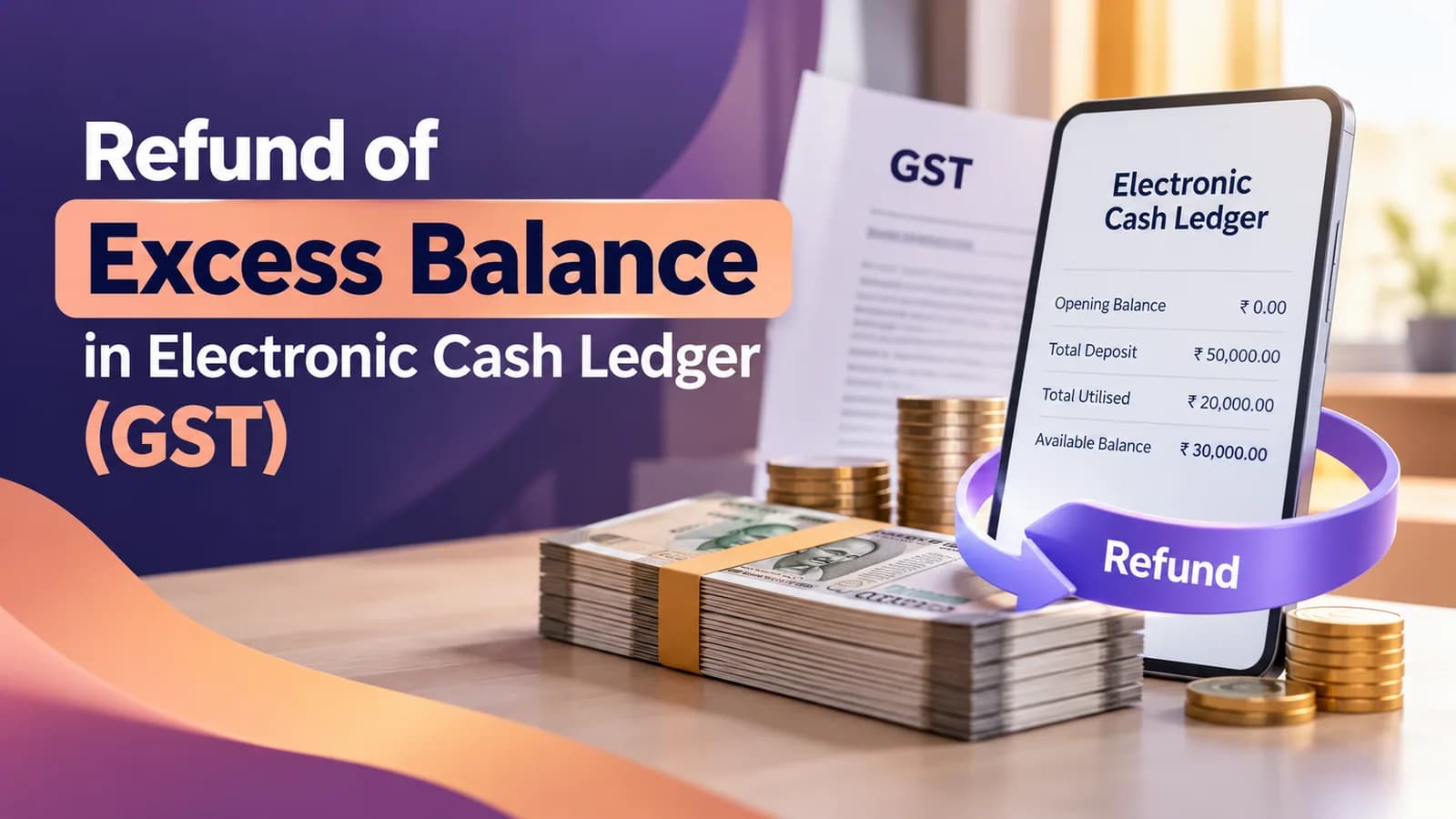
Cash in your GST cash ledger can be refunded through RFD-01, without the two-year limit that applies to ITC refunds. Check the ledger, dues and returns first.

A partnership firm registers for GST on its own PAN, with the deed as constitution proof. See how partners, signatory and premises fit into one REG-01 filing.

Foreign income counts towards the ₹20 lakh GST threshold, and not every overseas invoice is an export. See when freelancers must register, and what comes next.
Only an officer's cancellation can be revoked. See the 90-day and 270-day REG-21 windows, the returns and dues to clear first, and when an appeal fits better.
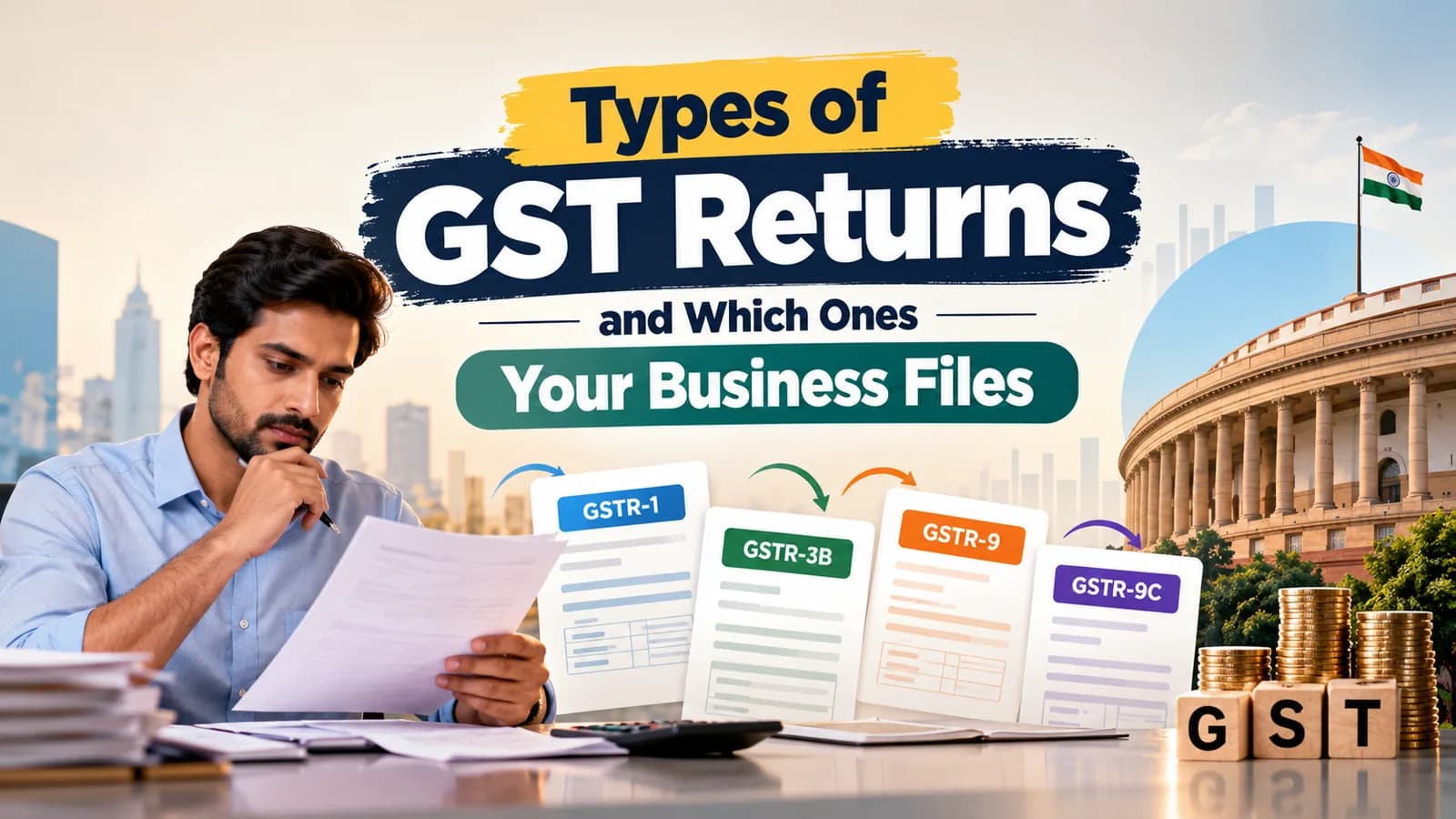
Regular businesses file GSTR-1 and GSTR-3B, plus GSTR-9 above ₹2 crore turnover. See which GST return every other taxpayer files, with current due dates.
Ecommerce operator explained: the Section 2(45) definition, TCS duties under Section 52, Section 9(5) services, and when your own store crosses the line.
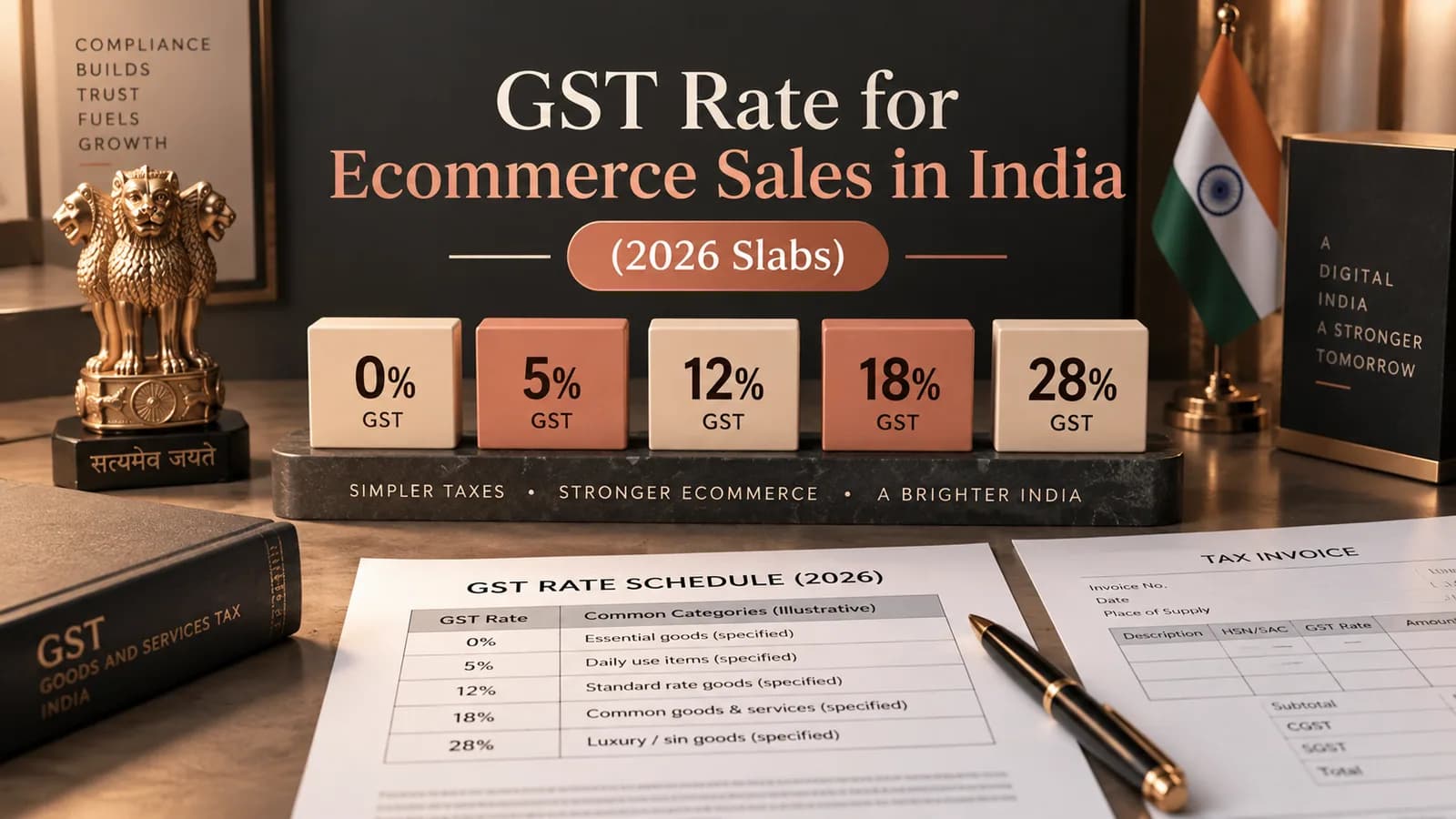
No special GST rate exists for online sales. How the 0, 5, 18 and 40 percent slabs apply to ecommerce, and how to treat shipping, commission and combo packs.

Most online sellers need GST from the very first order. The three exemptions that do exist, and why inter-state selling cancels almost all of them.
The impact of GST on ecommerce sellers, measured in rupees rather than adjectives: blocked TCS, cash timing on COD, blocked credits and the real filing load.

What a new online seller has to get right in year one: registration timing, entity choice, QRMP, composition limits and the month-by-month filing calendar.

Payment reconciliation explained for Indian ecommerce sellers: the four reconciliations you run, the process, the report format, and the seven gap types.
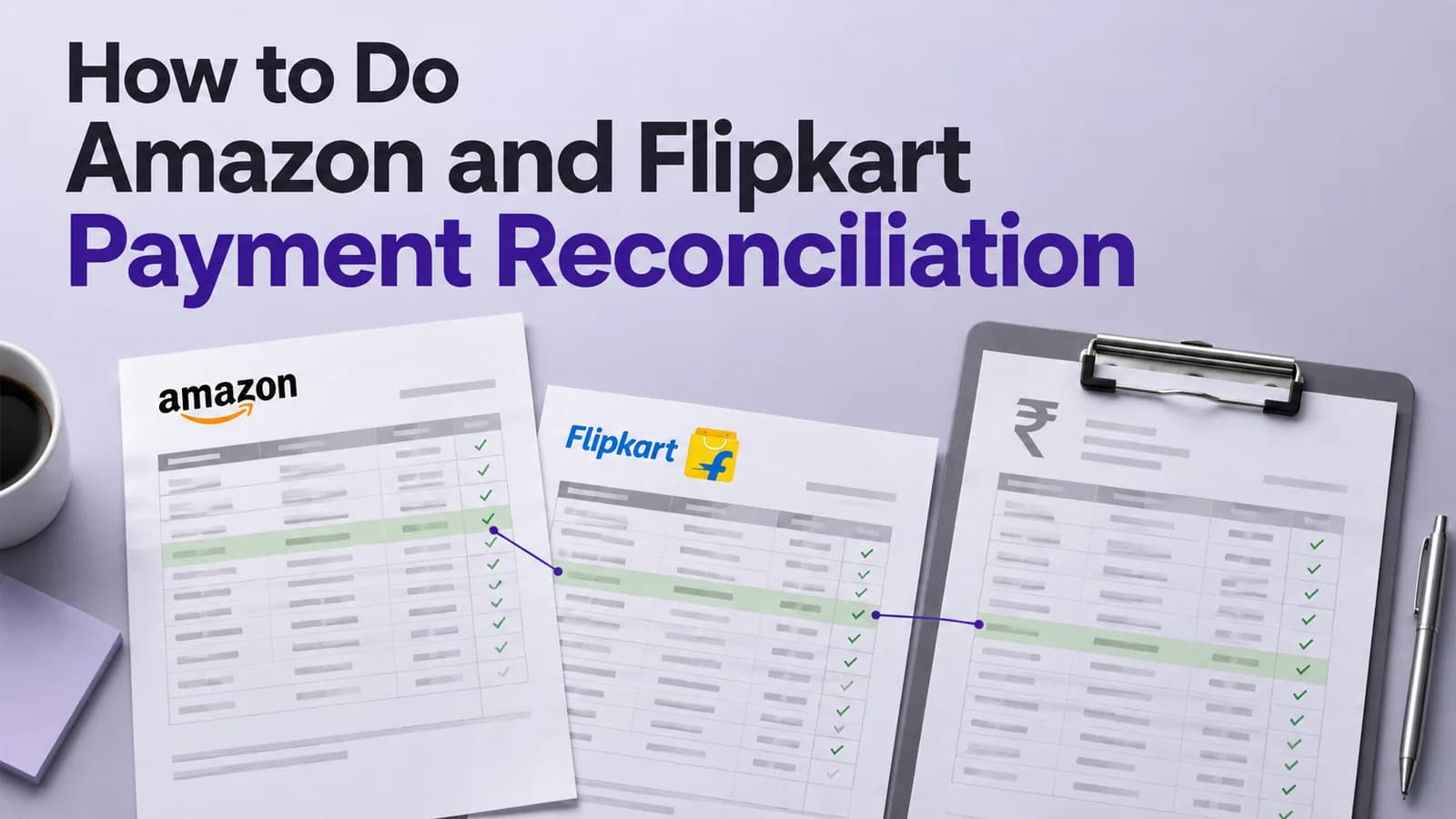
A hands-on guide to Amazon and Flipkart payment reconciliation: which reports to pull, how to match them in Excel, and which deductions are worth claiming.
A working guide to Shopify D2C accounting in India, covering the three systems your sales number comes from, COD and RTO treatment, and contribution margin.

A step-by-step guide to GST return filing for ecommerce sellers in India, covering GSTR-1 Table 14, the GSTR-3B hard lock, TCS credit and multi-state GSTINs.
How ecommerce accounting works in India: booking gross sales instead of payouts, handling GST TCS and income-tax TDS, and the new Section 63 audit trap.

Every document the GST portal asks for in 2026, split by entity type, plus the address-proof and file-format rules that quietly cause most REG-01 rejections.
Monthly digest, written by CAs. Unsubscribe anytime.