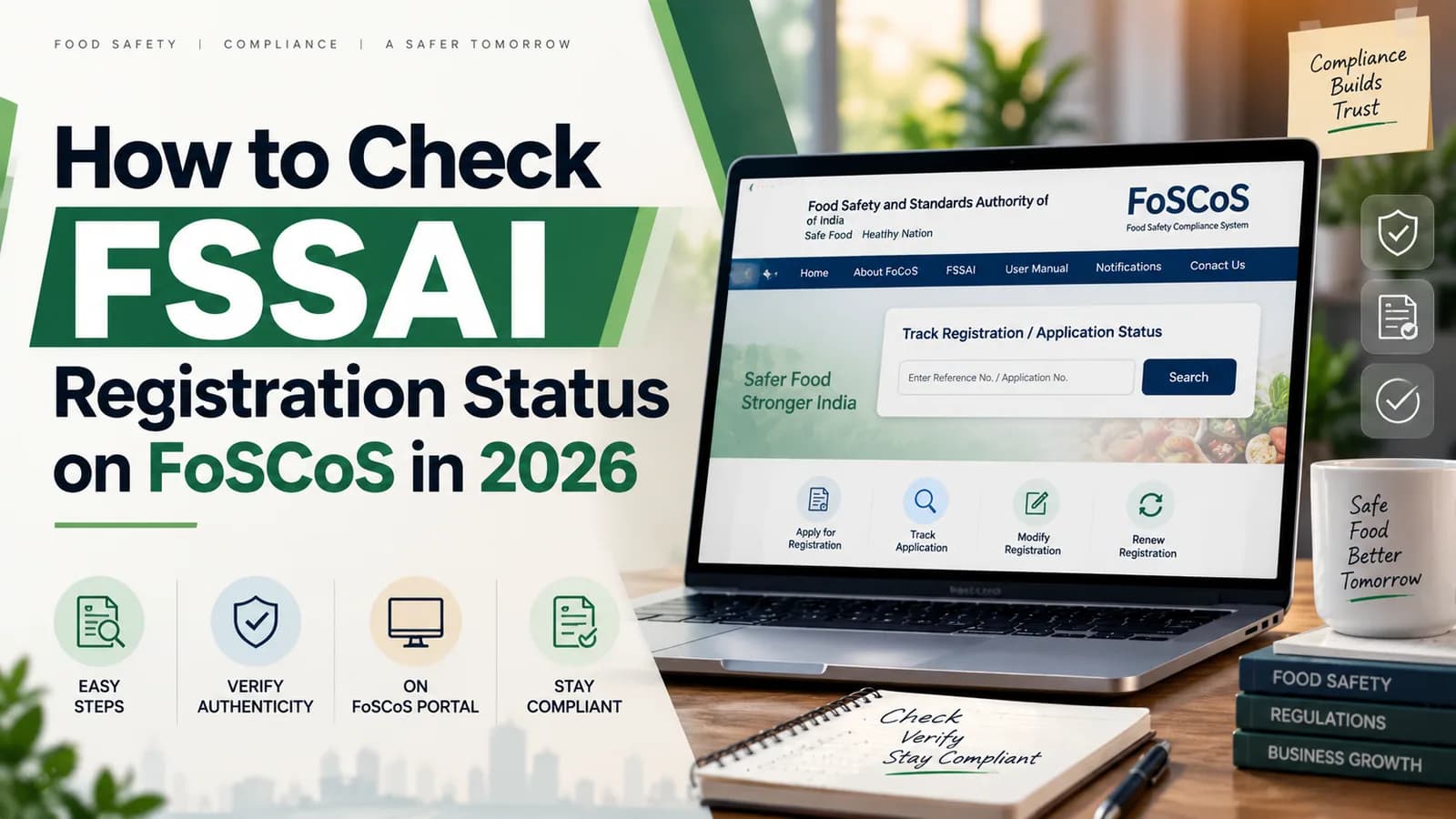
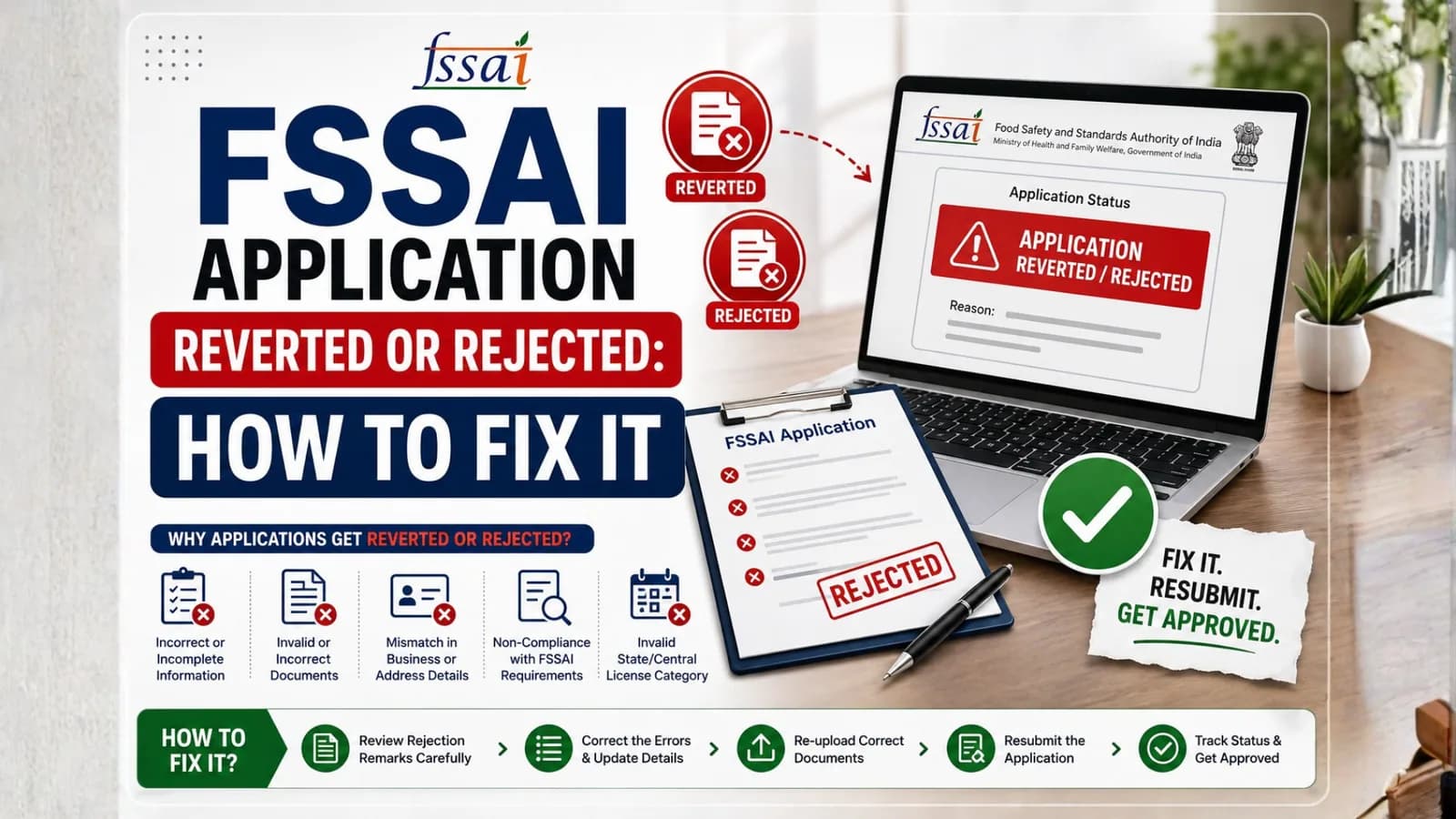
An FSSAI application marked Reverted means the officer wants a correction or clarification, and you have 30 days from the reverted date to respond on FoSCoS. Miss that window and the system can reject the application automatically, taking the ₹100 fee with it. Rejected is a different status needing a fresh filing or an appeal.
The clock is the part people lose on. It runs from the reverted date, not from the day you notice, and FoSCoS sends the notification by email to whatever address you typed into Form A. A wrong email address is how a fixable query becomes a rejection.
Reverted and rejected at a glance
Item | Position as on 27 August 2026 |
|---|---|
Reverted means | The officer wants a correction or clarification before granting |
Response window | 30 days from the reverted date |
If you miss it | FoSCoS can reject the application automatically |
Fee on rejection | Not carried forward. A fresh application means a fresh fee |
Where you respond | Your FoSCoS login, against the same application reference number |
How you are told | Email to the address entered in the application |
What does "application reverted" mean on FoSCoS?
Reverted means your application has been looked at and sent back for modification or clarification. It is not a rejection and it is not a fresh start. The application stays alive on the same reference number, and the officer’s remarks tell you what needs fixing.
Read the remarks before touching anything. They are the only instruction you get, and they decide whether this is a two-minute re-upload or a tier problem that needs a different application entirely. You can pull the current stage any time using the FSSAI status check on FoSCoS.
Reverted vs rejected: what changes
Reverted | Rejected | |
|---|---|---|
Application status | Still live | Closed |
What you do | Respond on the same reference number | File afresh, or appeal |
Time limit | 30 days from the reverted date | Appeal windows apply from the rejection date |
Fee | Already paid, still counted | Not carried forward |
Typical cause | Document or detail defect | No response in time, or non-compliance |
Why FSSAI applications get reverted
Six defects account for most reverts at the registration tier, and five of them are avoidable before you submit.
Address mismatch. The premises address on your proof does not match Form A character for character, including flat and plot numbering.
Wrong kind of business. The KoB selected does not match what you actually do, which is the one defect a document fix cannot solve.
Illegible upload. A photographed document at an angle, or a scan the officer cannot read.
Unattested document. FSSAI requires every upload to be self-attested by the proprietor or authorised signatory.
Name mismatch. The applicant name on the photo ID differs from the name entered in the application.
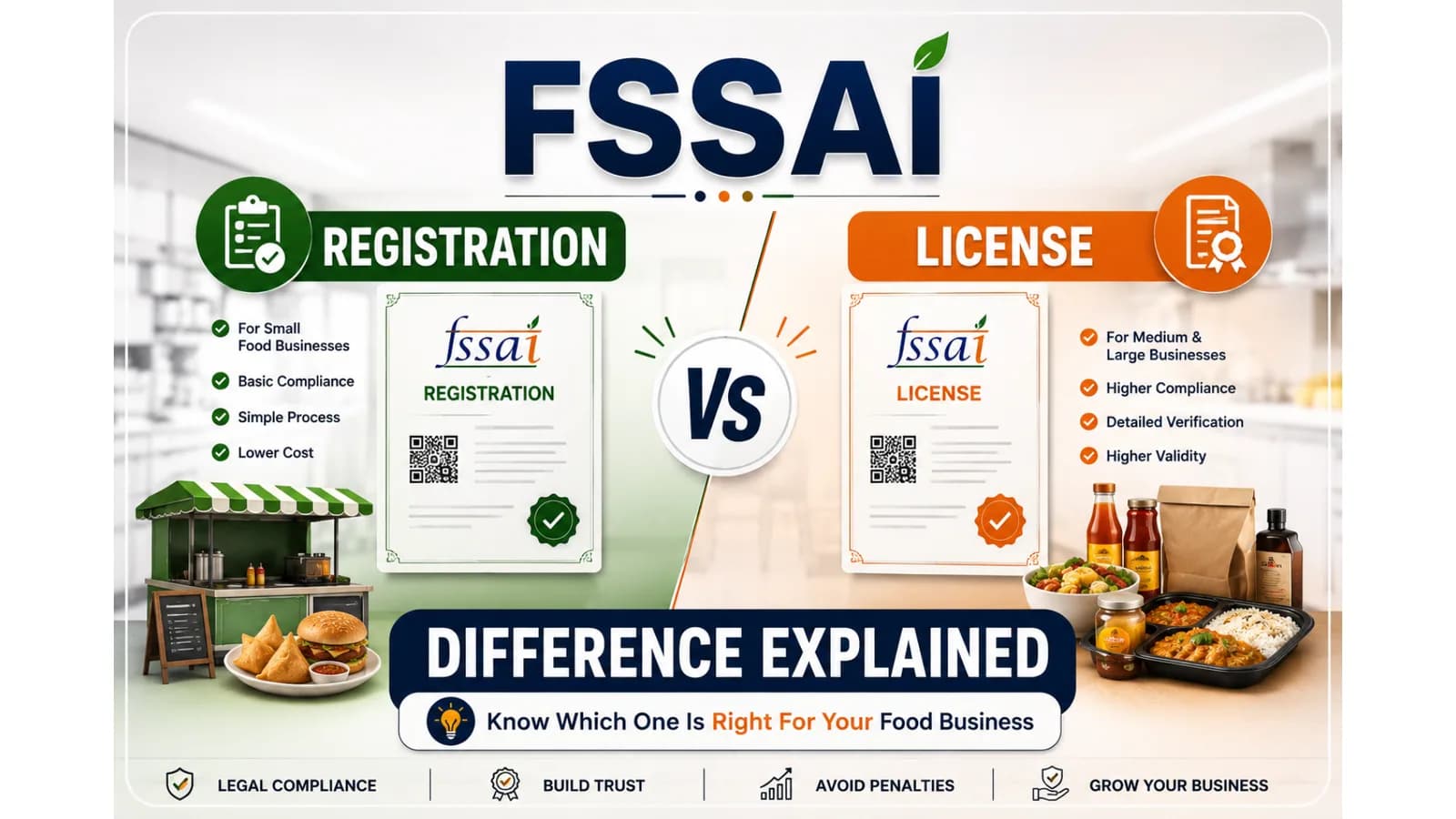
Tier mismatch. You filed Form A while your category needs a licence, which is a refile rather than a correction.
The first is the one we see most, and the cheapest to prevent. The FSSAI document checklist sets out what each upload has to show.
How to respond to a reverted FSSAI application
Log in to FoSCoS and open the application against its reference number.
Read the officer’s remarks in full before changing any field.
Correct only what the remarks identify. Unasked changes invite a second query.
Re-upload any document as a legible, self-attested scan.
Submit the response inside the 30-day window and save the acknowledgement.
Track the status afterwards rather than waiting for an email that may not arrive.
When to refile instead of fixing
Two situations make a fresh application faster than a correction. The first is a tier error: if your kind of business needs a licence, no amount of fixing Form A will produce one, and you file Form B instead. The second is a kind-of-business error deep enough that the corrected application no longer resembles what was filed.
For a genuine document gap, always fix rather than refile. Refiling costs you a second ₹100 and restarts the queue. If your premises details have changed since filing, that is an FSSAI licence modification question rather than a query response.
Can you appeal an FSSAI rejection?
An appeal route exists against a rejection, and it runs first to a senior officer in the state food safety department and then to the Food Safety Appellate Tribunal, with time limits at each stage. In practice an appeal is worth it only where the rejection is clearly wrong, such as a document that was uploaded but marked missing. For a real document gap or a tier misjudgement, a fresh application is faster and cheaper.
[VERIFY: confirm the appeal forum, the statutory time limits and the governing provision against the FSS Act, 2006 and the Licensing and Registration Regulations, 2011 before publishing. This paragraph rests on a single secondary source.]
How to avoid a revert in the first place
Match the premises address across proof and form before you submit, not after.
Confirm your kind of business against the FoSCoS matrix rather than guessing from the label.
Self-attest and scan flat. Photographs of documents cause avoidable queries.
Enter an email address you actually monitor. The 30-day notice goes there.
Check the status weekly rather than assuming silence means progress.
What we see on reverted files at Complylocal
[EXPERT INPUT NEEDED: Keshav Sehgal to add one real, anonymised observation from Complylocal FSSAI files. Strongest options: (a) the proportion of reverts we handle that trace to the premises address mismatch; (b) a client who missed the 30-day window and what refiling cost in time; (c) the officer remark our team most often has to interpret for clients. One real number required.]
Application stuck on reverted and the remarks unclear? Talk to Keshav’s team at Complylocal for FSSAI application support.
Official sources
FoSCoS, foscos.fssai.gov.in, Track Application Status and the application stage definitions.
FSS (Licensing and Registration of Food Businesses) Regulations, 2011, Regulation 2.1.3 and Form A under Schedule 2.
FSSAI Licensing and Registration FAQs published on foscos.fssai.gov.in, including the self-attestation requirement.
Food Safety and Standards Act, 2006, provisions on appeals against licensing decisions.